




Mastering Water Pumps: Complete Guide to Types, Uses & Expert Maintenance
- SKU: EV001AB
Taxes included.


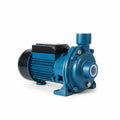
Mastering Water Pumps: Complete Guide to Types, Uses & Expert Maintenance


Product Description
The Ultimate Water Pump Guide: Types, Applications & Maintenance
Choosing the right water pump is essential for efficient water management in your home, farm, or business. Whether you need to boost water pressure, irrigate crops, or manage drainage, understanding your pump options ensures optimal performance, lower energy costs, and a longer equipment lifespan.
1. Understanding Water Pumps
A water pump is a mechanical device designed to transfer water by using energy to overcome gravity and pressure. From residential supply to industrial fluid transfer, these devices are the backbone of modern water management.
2. Common Pump Types
-
Centrifugal Pumps: The most common choice for domestic supply and irrigation. Known for handling large volumes of clean water with ease.
-
Submersible Pumps: Fully submerged for high efficiency. Ideal for deep wells, sewage management, and flood drainage.
-
Jet Pumps: Designed to use suction to lift water from wells, making them a staple in residential and rural setups.
-
Solar-Powered Pumps: The eco-friendly solution for remote areas where electricity is unavailable or expensive.
-
Positive Displacement Pumps: Best suited for high-viscosity fluids where consistent flow is critical.
3. Applications: Which One Do You Need?
-
Residential: Perfect for pressure boosting, garden irrigation, and pool maintenance.
-
Agricultural: Essential for automated crop irrigation, livestock water supply, and field drainage.
-
Industrial: Vital for cooling systems, wastewater treatment, and large-scale fluid transfer.
-
Emergency: Your first line of defense for flood control, construction dewatering, and firefighting.
4. How to Choose the Right Pump
To ensure you get the best performance, always evaluate these factors before purchasing:
-
Flow Rate (GPM): How much water do you need to move?
-
Head Height: How high or far does the water need to be pushed?
-
Water Quality: Is the water clean, or does it contain debris?
-
Power Source: Is electricity, gas, or solar most viable for your location?
5. Maintenance for Longevity
A well-maintained pump lasts for years. Follow these simple steps:
-
Regular Inspections: Check for unusual noises, leaks, or vibrations.
-
Cleaning: Keep filters, strainers, and impellers free from debris.
-
Priming: Always ensure the pump is primed before operation to avoid dry running.
-
Seasonal Care: Drain and properly store pumps during off-seasons to prevent damage.