





Water Pumps Guide: Types, Uses & Maintenance
Water pumps are essential for moving and managing water efficiently in homes, agriculture, and industries. Understanding how they work and how to choose the right one helps improve performance, reduce costs, and extend lifespan.
What Is a Water Pump?
A water pump is a mechanical device used to transfer water from one place to another for purposes such as irrigation, drainage, and pressure boosting.
Common Power Sources
- Electric pumps
- Gas-powered pumps
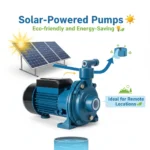
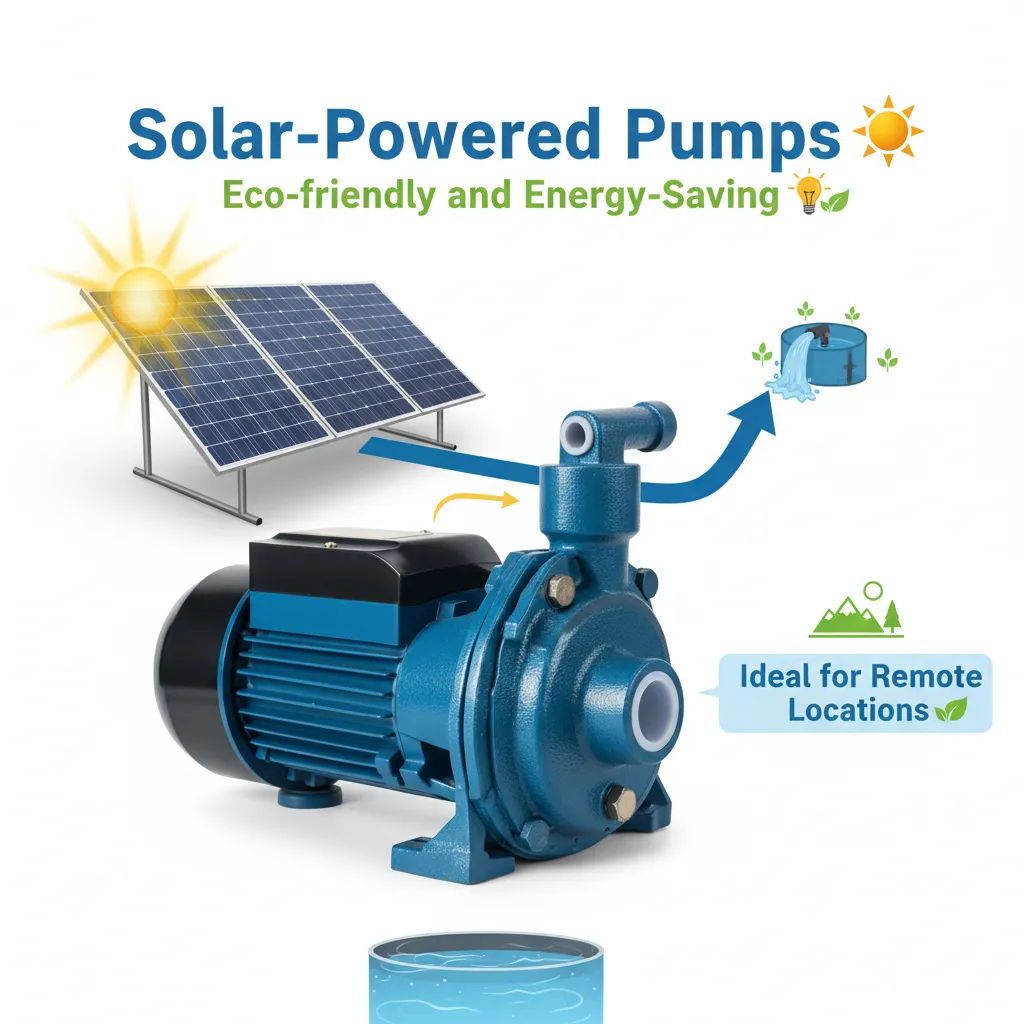
- Solar-powered pumps
How Does a Water Pump Work?
Water pumps use mechanical energy to push water through pipes, overcoming gravity and pressure.
Example:
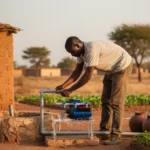
- In residential systems, pumps maintain steady water pressure for taps and showers.
Main Types of Water Pumps
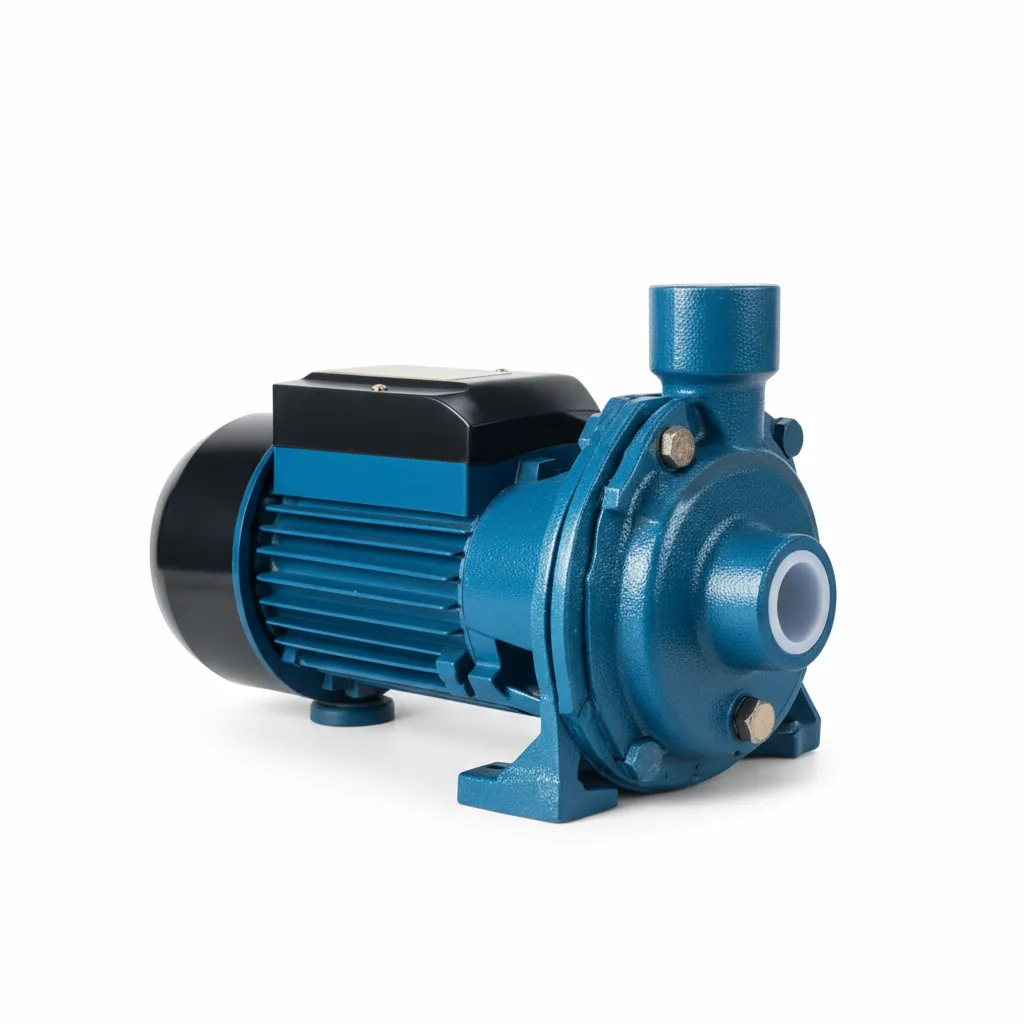
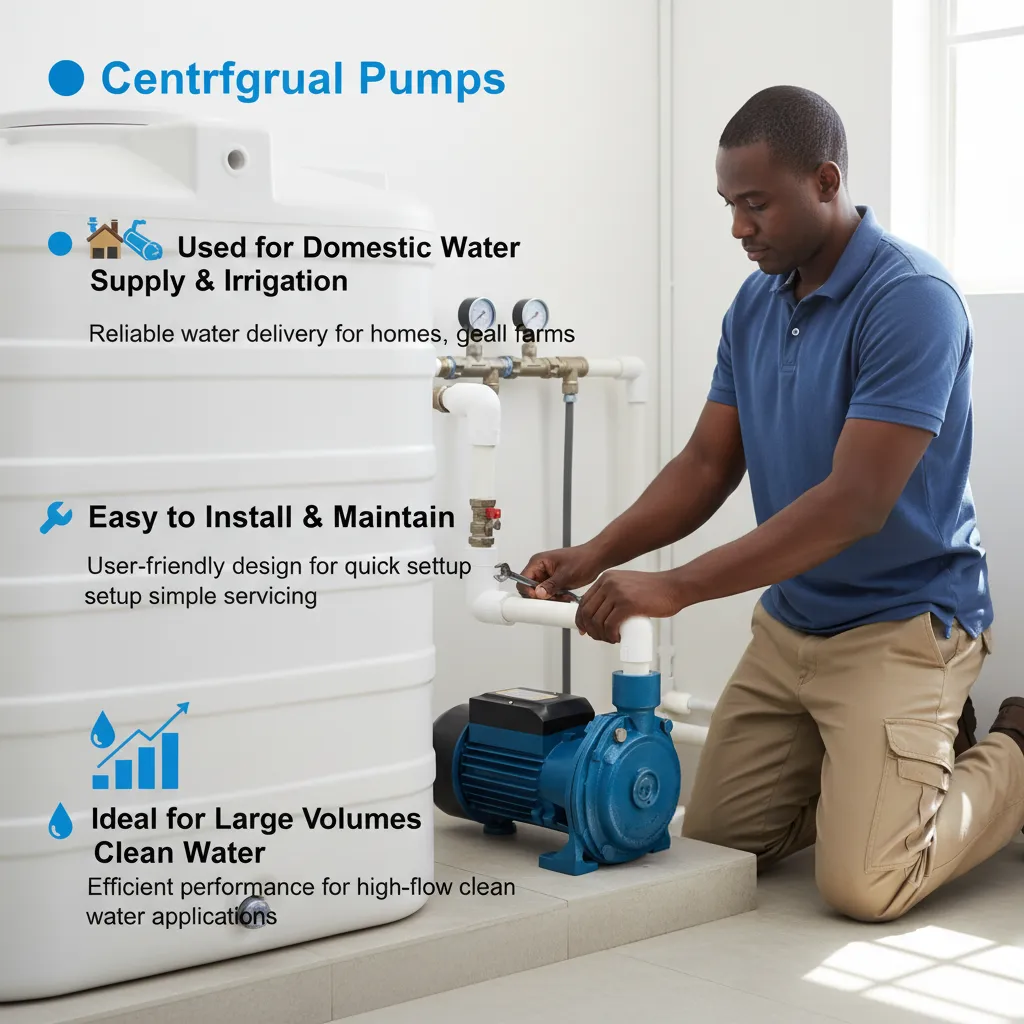
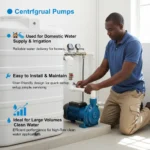
Centrifugal Pumps
- Used for domestic water supply and irrigation
- Easy to install and maintain
- Ideal for large volumes of clean water
Submersible Pumps
- Operate underwater
- Suitable for wells, sewage, and flood drainage
- Quiet and highly efficient
Jet Pumps
- Use suction to lift water from wells
- Common in residential and rural areas
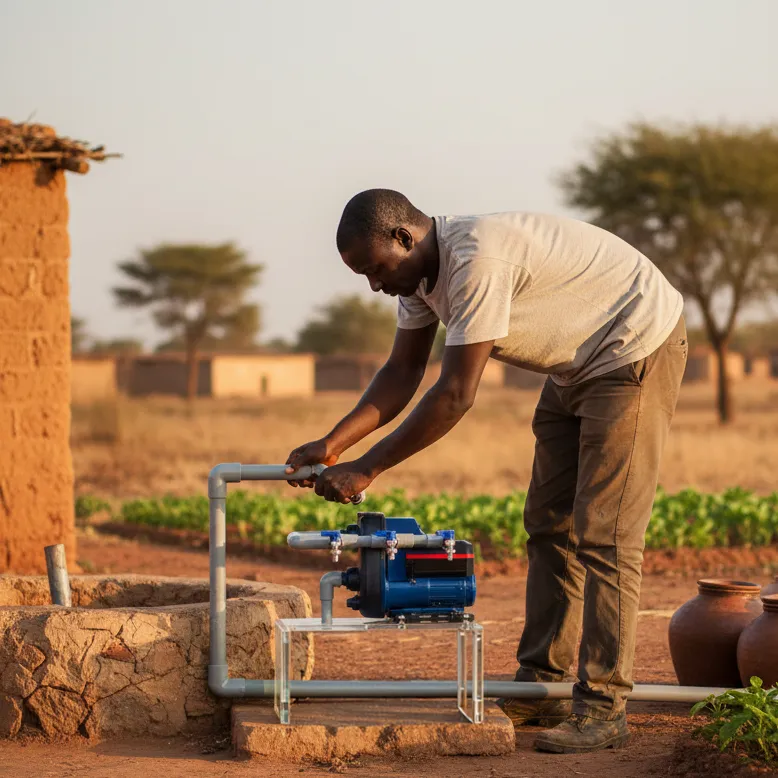
Solar-Powered Pumps
- Eco-friendly and energy-saving
- Ideal for remote locations
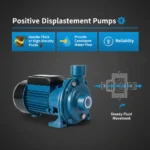
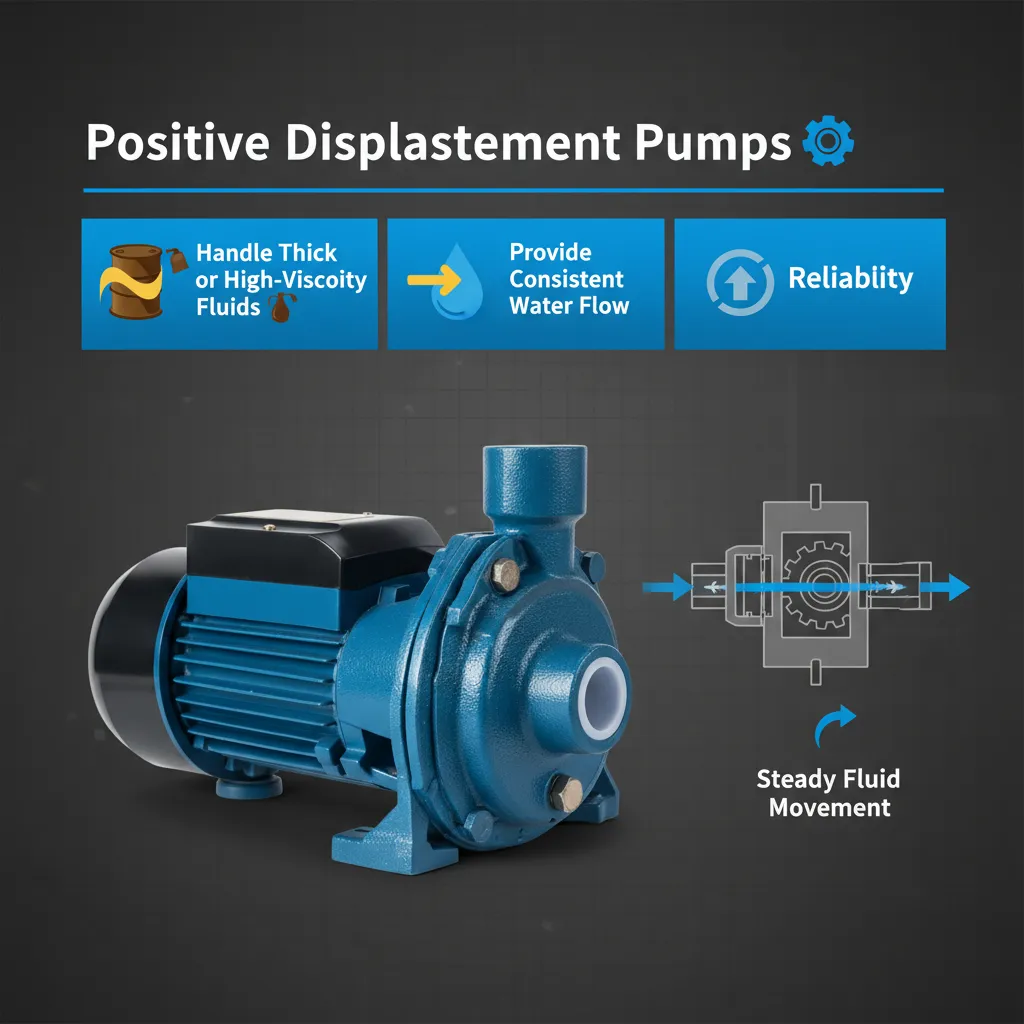
Positive Displacement Pumps
- Handle thick or high-viscosity fluids
- Provide consistent water flow
Key Applications of Water Pumps
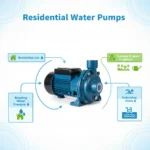
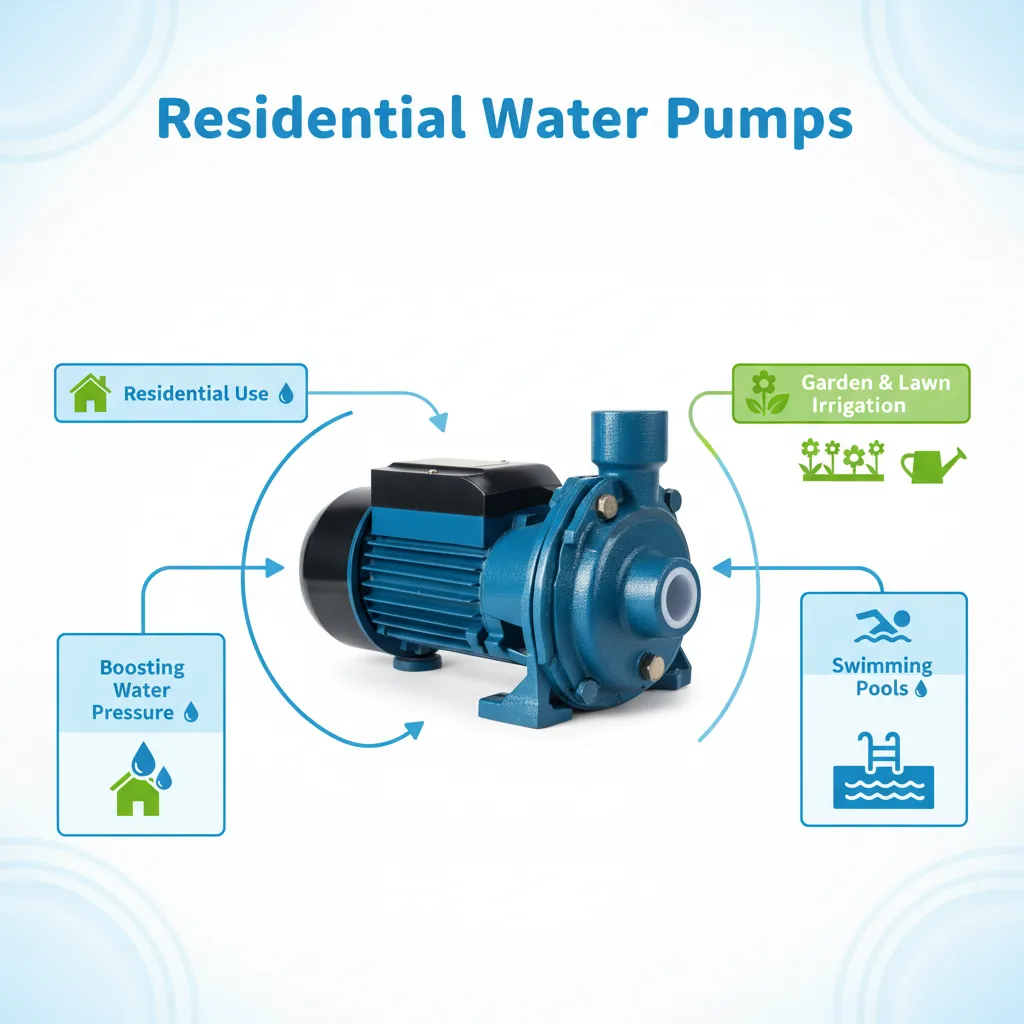
Residential Use
- Boosting water pressure
- Garden and lawn irrigation
- Swimming pools
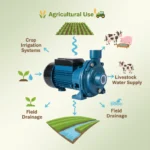
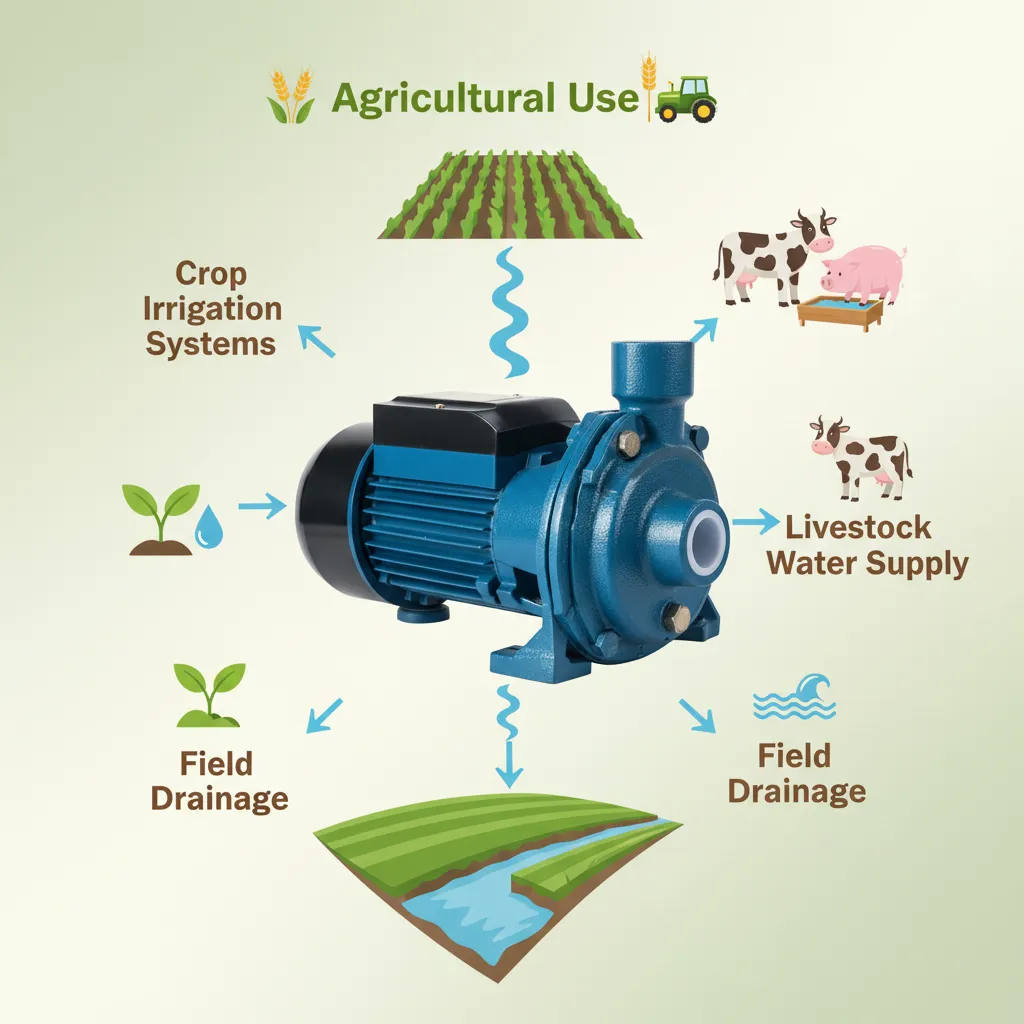
Agricultural Use
- Crop irrigation systems
- Livestock water supply
- Field drainage
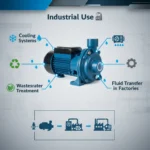
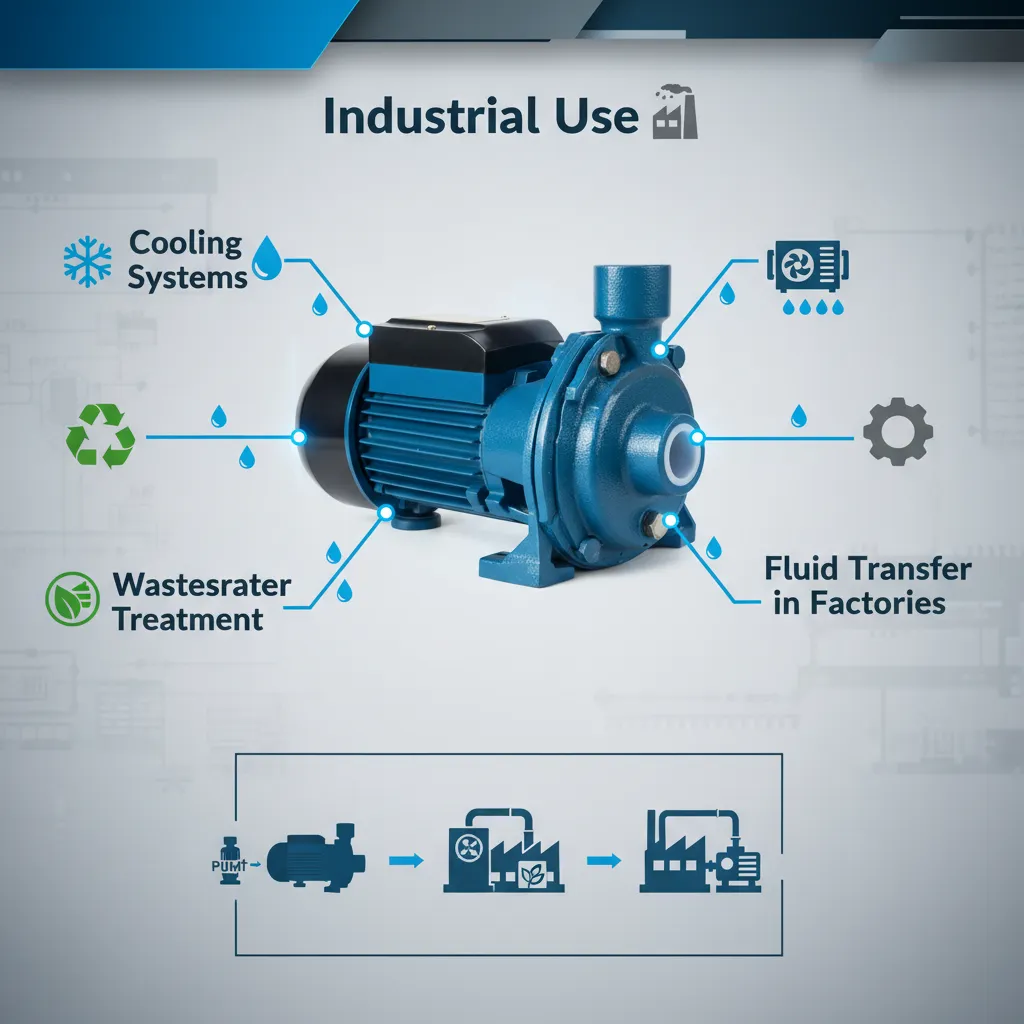
Industrial Use
- Cooling systems
- Wastewater treatment
- Fluid transfer in factories
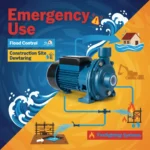
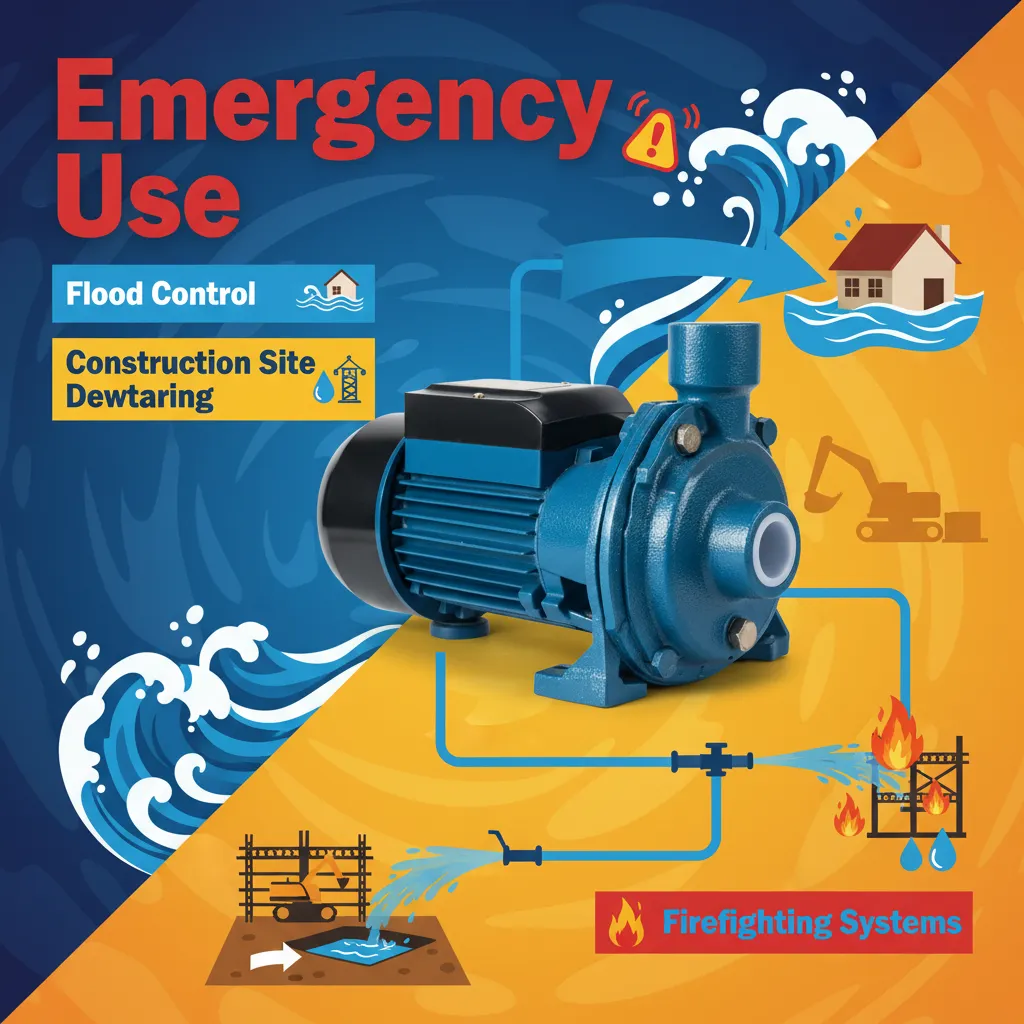
Emergency Use
- Flood control
- Construction site dewatering
- Firefighting systems
How to Choose the Right Water Pump
Consider the following factors:
- Flow Rate (GPM)
- Head Height
- Type of Water (clean or dirty)
- Power Source Availability
- Budget & Operating Costs
Installation Basics
- Place the pump on a stable, level surface
- Use correct pipe sizes
- Install a strainer to block debris
- Prime the pump before operation
- Test for leaks and proper flow
Maintenance Tips
- Inspect regularly for leaks or noise
- Clean filters and impellers
- Monitor pressure and flow rate
- Drain and store seasonal pumps properly
- Follow manufacturer recommendations
Common Problems & Solutions
- Pump won’t start: Check power supply
- Low pressure: Clean filters and inspect pipes
- Overheating: Ensure ventilation and remove blockages
- Noise: Tighten components and remove air pockets
Future Trends in Water Pumps
- Smart pumps with remote monitoring
- Energy-efficient motor designs
- Increased use of solar-powered systems
- Eco-friendly materials
Water pumps play a vital role in efficient water management across all sectors. Choosing the right pump and maintaining it properly ensures reliable performance, lower costs, and long-term durability.
👉 Explore more articles on our blog for expert tips and guides.









No approved reviews yet.